
The Endless Frontier
America Ship
Fulfillment and Warehousing
Ship inventory to Brownsville, TX for nationwide and worldwide fulfillment by America Ship.
Ship to and from Mexico, USA, and China
Inquire about the shipping costs and tax details for sending your package to Mexico, the USA, and China.
Amazon FBA Mexico
Simplify your Amazon FBA in Mexico without the hassle of paperwork. Discover the easy process—check it out now
How it works
4 Easy Steps

1. Register
Get a FREE shipping address. Just create an account and complete the registration. No monthly fees!

2. Use address
Have your orders or packages sent to your assigned address. Know your cost before the order is placed.

3. Request
We receive your packages and maintain your inventory. You can submit a shipment request when ready!
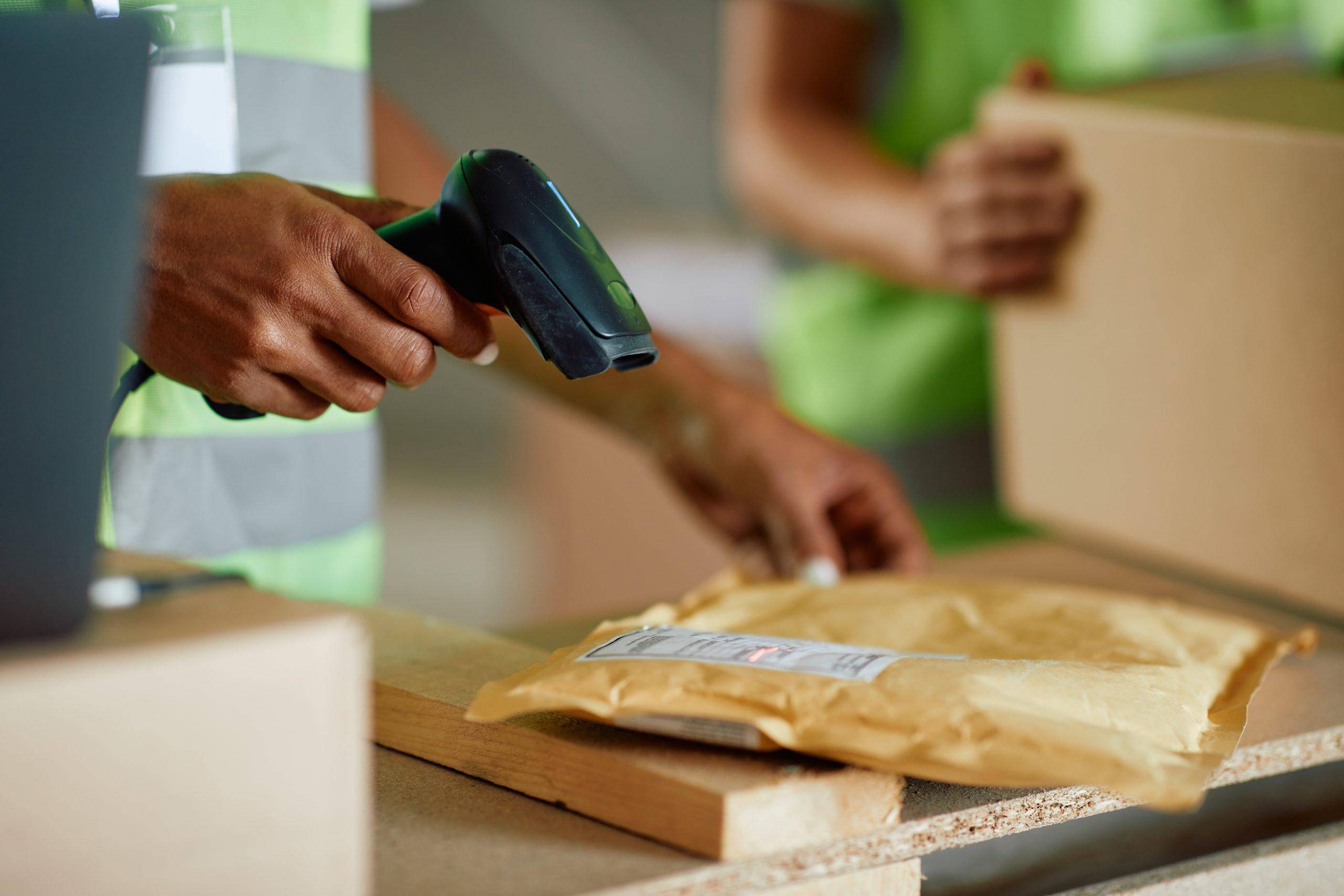
4. Tracking
Once payment is completed, Your shipment is sent out with tracking available within 1 – 2 business days!
Amazon fba
Fulfilment by Amazon
Mexico is a huge market for Amazon sellers. However, shipping to Amazon FBA warehouses in Mexico is not as easy as to FBA in other countries. America Ship makes this process easy.
Challenges without America Ship:
1. The process is difficult and the language barrier can give you unnecessary headaches. America Ship helps facilitate communication so you can prevent the language barrier from getting in the way of your business.
America Ship is the best option for Amazon FBA
What you Get
Services
Unlock Bigger Savings By Upgrading Your Membership Today!
To be eligible for a RFC ID or a Mexico address, you must update to Gold or Platinum membership. You may log in and click "Membership" to request update.
Bronze
Free
or No Minimum Shipping/
month
Interaction History
Email Our Team
Quick Package Lookup
24/7 Online Account Access
Free U.S. Address
Knowledge Base
Customer Support 8-5 / M-F
Access To All Warehouses
Gold
$9.99
or 100+ Packages/
month
Everything in Bronze Plus
Quarterly Support Call
Quarterly Goal Support
Quarterly Statistics
Monthly Support Call
Multi-brand Support
Zoom Support 2x/yr
Waived $5/ Inbound Package Handling Fee
OUR MOST POPULAR
Platinum
$19.99
or 250+ Packages/
month
Everything in Gold Plus
Scheduled Zoom Support as Needed
Same-day Team Support
5% off Total Cost
Reviews
PEOPLE LOVE AMERICA SHIP
 Joy WhiteExcellent service always a pleasure prompt and reliable
 Cameron KnippThe process was easy to follow and the packages arrived in a timely manner and in good condition.
 Joseph SzaboGreat service. After covid all my shippers stopped operating so to find a new repudible transfer agent is a God sent!Thanks
 Bas TierolfAs usual, everything went fast and accurate, no difficulties and low costs
 D BagnallAlthough I don't think they warrant 5 stars yet, they are fast approaching that level of service. My experience was a little clunky and slow, but they were always communicating with me and ultimately got a package from CDMX to New York much less expensively and more easily than either FedEX or DHL. I would recommend them and use them again.
 Ilana HollowayThe company is providing a good and reliable service. They also take note of all suggestions from customers. I am using them for seven years now.
 Patric Moeri
 Maria Santiago
warehouses
Locations
America Ship has multiple warehouses around the globe, which is how we can best provide our customers with global shipping and fulfillment needs, as well as local addresses! Please take a look at our current locations to select which one may best fit your needs. And be our guest to continue to check back here, as our operation is constantly expanding!